
Top 10 Parks for Trees in Saskatoon: A Nature Lover's Guide
Saskatoon, often called the “City of Bridges,” is equally deserving of recognition as a city of trees. With its mature urban forest and commitment to green spaces, Saskatchewan’s largest city offers residents and visitors alike numerous opportunities to experience the beauty and benefits of healthy tree canopies. Whether you’re seeking inspiration for your own property’s landscaping or simply want to enjoy nature’s splendor, these ten parks showcase the best of Saskatoon’s arboreal treasures.
1. Meewasin Valley Trail System
The Meewasin Valley Trail represents Saskatoon’s crown jewel for tree enthusiasts. Stretching over 60 kilometers along the South Saskatchewan River, this extensive trail system winds through diverse ecosystems featuring mature cottonwoods, Manitoba maples, green ash, and willow species that thrive in riparian environments.
What makes this area exceptional is the combination of native prairie vegetation and established riverbank forests. The mature cottonwoods, some over 80 years old, create spectacular canopies during summer months, while their distinctive bark patterns and massive trunks demonstrate what proper tree care and natural growth can achieve. The trail offers educational opportunities to observe how trees adapt to Saskatchewan’s challenging climate, providing valuable insights for homeowners considering tree pruning to maintain healthy growth patterns.
The Meewasin Valley also showcases seasonal beauty throughout the year, from spring budding to fall’s golden transformation, making it a year-round destination for those who appreciate tree diversity.
Please Fill The Form
EXCELLENT Based on 24 reviews
 Posted on Google
 John Foster
Trustindex verifies that the original source of the review is Google.
Yeah, these guys are great, professional, fast ,Really friendly I would highly recommend this company to anybody . my yard was spotless when they left.Posted on Google Cam McEachernThe Tree Removal crew were very professional - they completed the job in a timely manner, and left the site clean and neat. They also moved the mulch to another area on our property. We would definitely call them in the future when required.Posted on Google
 L SAfter submitting multiple online quote requests, John was not only the first person to call the next day, but also quick to offer a deal I could not pass up! They were here within one day to remove 2 - 36yr old huge Spruce trees from our front yard. It was so nice to not have to wait for this job to get done. Speedy service, friendly people, great value, and a job well done! Don’t hesitate……we called today for our backyard (messy) Willow to be removed and they will be here tomorrow! Thanks 😃 can’t wait!Posted on Google
 Wayne SummachVery courteous, excellent work and cleanup. Arrived on time to start the work, kept me informed of arrival time, etc. Really great guys!Posted on Google
 daceman123They removed the trees and grinded the stumps. They also cleaned up everything after they were done. Awesome job.Posted on Google
 Andrew MagnusAmazing work, John and the guys did great removing 3 large spruce trees from our front and back yardPosted on Google
 Danny SinyangweAwesome great services and very professional and effective in how thy do business and not business but thy are very friendly too.Posted on Google
 Lane GenikGreat service and quick response!
2. Gabriel Dumont Park
Located in the Sutherland neighborhood, Gabriel Dumont Park features one of the most impressive collections of mature elm trees in Saskatoon. This 16-acre park has managed to preserve many elms through careful disease management and preventative care, serving as a living example of proper urban forestry practices.
The park’s elm stands create dense shade canopies perfect for summer picnics, while the understory planting demonstrates effective layered landscaping. Throughout the park, you’ll find American elms, Siberian elms, and hybrid varieties that show varying resistance to Dutch elm disease. Property owners dealing with concerning tree health issues can learn from this park’s success story, though sometimes tree removal becomes necessary when disease threatens surrounding trees.
Gabriel Dumont Park also features an excellent mix of deciduous and coniferous species, including blue spruce and Colorado spruce specimens that provide winter interest and demonstrate cold-hardy evergreen options for Saskatchewan landscapes.
3. Kinsmen Park
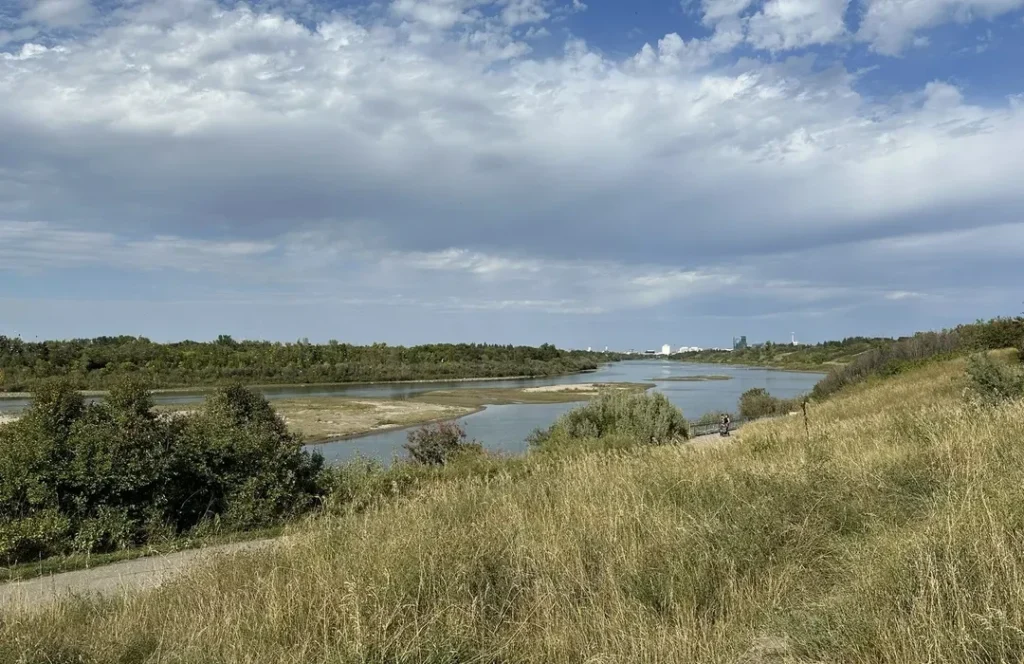
Kinsmen Park combines recreational facilities with impressive tree diversity across its 40-acre landscape. The park features established groves of basswood, ash, and poplar trees that have matured over decades. These create naturalized areas that contrast beautifully with the park’s more formal landscaped sections.
One of the park’s standout features is its collection of ornamental crabapple trees. Each May, they explode in stunning pink and white blooms. These smaller trees demonstrate how flowering species can complement larger shade trees in landscape design. The park’s positioning along the river valley showcases how trees help prevent erosion and stabilize slopes. This is an important consideration for properties with challenging topography.
The diverse age range of trees throughout Kinsmen Park illustrates the tree life cycle. From newly planted saplings to century-old specimens, the park demonstrates the importance of planning for generational replacement in urban forests.

4. Chief Whitecap Park
Chief Whitecap Park, situated in the Silverspring neighborhood, stands out for its thoughtful integration of native tree species with modern park design. The park features extensive plantings of trembling aspen, a quintessential Saskatchewan species that creates mesmerizing displays when its leaves flutter in prairie winds.
The park’s designers incorporated multiple tree species at varying heights, creating visual interest and wildlife habitat. Bur oak specimens, known for their exceptional drought tolerance and longevity, demonstrate ideal choices for Saskatchewan’s climate. These slow-growing hardwoods can live for centuries with proper care, making them excellent investments for property owners planning long-term landscapes.
Chief Whitecap also includes educational signage about tree species and their ecological roles, making it an excellent destination for families wanting to learn about urban forestry. The park proves that newer developments can successfully establish diverse tree populations when planning prioritizes sustainability.
5. Diefenbaker Park
Named after Canada’s 13th Prime Minister, Diefenbaker Park offers a stunning collection of mature trees across its sprawling grounds. The park features exceptional specimens of green ash, a species that has become increasingly important as elm populations face disease pressure.
The park’s location near the South Saskatchewan River provides optimal growing conditions, and the results are evident in the impressive tree sizes. Several specimens exceed 20 meters in height with trunk diameters approaching one meter. These magnificent trees demonstrate what decades of growth without stress or improper pruning can achieve.
Diefenbaker Park also showcases effective spacing between trees, illustrating how proper planning prevents overcrowding and competition for resources. The park’s layout provides inspiration for homeowners planning their own yard’s tree placement and long-term landscape vision.

6. Gordie Howe Sports Complex Grounds
While primarily known for recreational facilities, the Gordie Howe Sports Complex grounds feature impressive tree-lined pathways and naturalized areas. The park demonstrates effective use of Scots pine and Austrian pine as windbreaks and visual screens, valuable lessons for property owners seeking privacy or wind protection.
The complex’s tree collection includes numerous Manitoba maple specimens, a fast-growing native species that provides quick shade establishment. While sometimes considered weedy by arborists, the park shows how proper maintenance and strategic placement can make Manitoba maples attractive landscape features. The variety of conifer species, including white spruce and various pine species, offers excellent examples of trees that maintain year-round visual interest.
7. Cosmopolitan Park
Cosmopolitan Park presents a unique blend of formal and natural landscaping, with its tree collection reflecting both approaches. The park features stately rows of ornamental trees along pathways, including mountain ash with their distinctive clusters of orange-red berries that provide fall and winter interest.
The park’s Russian olive trees, though now considered invasive in some areas, demonstrate the importance of understanding species behavior before planting. This serves as a valuable lesson about choosing appropriate species for Saskatchewan landscapes. The park’s more naturalized sections include willow groves that illustrate these trees’ rapid growth and water-loving nature.
Cosmopolitan’s mature amenity trees show how strategic tree placement can define spaces and create distinct park zones without physical barriers, a technique applicable to residential properties seeking to maximize usable yard space while maintaining green coverage.
8. Lakeview Park
Positioned along the river valley, Lakeview Park features one of Saskatoon’s finest collections of river valley forest species. The park’s cottonwood groves include some of the city’s oldest specimens, with massive trunks bearing the scars and character of decades of Saskatchewan weather.
The park provides excellent examples of natural succession, where younger trees grow in the shelter of mature specimens. This layered forest structure creates diverse habitat and demonstrates nature’s approach to forest regeneration. These natural patterns offer insights into companion planting and creating sustainable landscapes.
Lakeview’s steep slopes showcase how tree root systems stabilize soil and prevent erosion while creating terraced effects naturally. The variety of understory shrubs and small trees illustrates comprehensive landscape planning beyond canopy trees alone.
9. George Ward Crescent Park
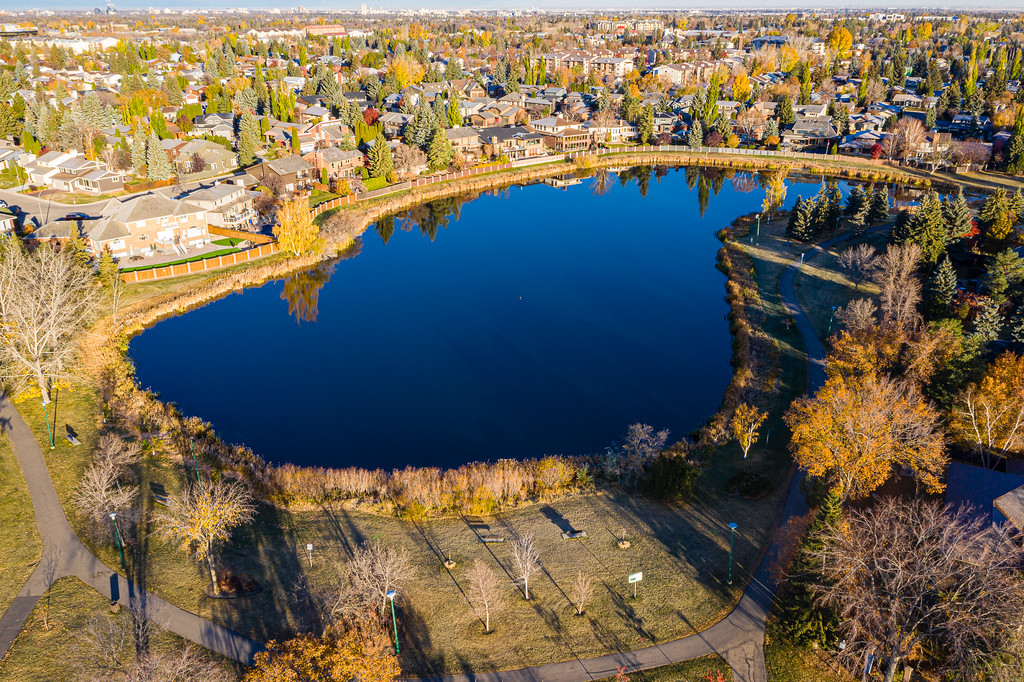
George Ward Crescent Park, nestled in the Holiday Park neighborhood, features an impressive collection of apple and crabapple trees that transform the park each spring into a flowering wonderland. These fruiting trees demonstrate how landscape trees can provide both aesthetic and functional value.
The park includes several varieties of ash trees showing different growth habits and leaf characteristics, offering a living comparison guide for those considering ash species for their properties. The park’s commitment to diversity means no single pest or disease could devastate the entire tree population, illustrating smart urban forestry planning.
Notable are the park’s Serbian spruce specimens, which demonstrate excellent adaptability to prairie conditions while maintaining attractive, dense growth habits year-round.
10. Innovation Place Grounds
While technically not a traditional park, the Innovation Place research and technology campus features some of Saskatoon’s most thoughtfully planned commercial landscaping. The grounds showcase how trees enhance professional environments while demonstrating species suitable for urban stress conditions like compacted soil and reflected heat.
The campus features extensive plantings of Amur maple, a smaller tree species perfect for urban settings where space is limited. Honey locust trees demonstrate how open canopies can provide filtered shade while allowing grass growth underneath. The variety of ornamental and shade trees proves that commercial properties can maintain functional landscapes while supporting urban forest health.
The systematic labeling of species throughout the grounds makes Innovation Place an excellent educational destination for those wanting to identify trees they might incorporate into their own landscapes.
Caring for Saskatoon's Urban Forest
These ten locations showcase the remarkable diversity and beauty of Saskatoon’s tree population. From mature river valley forests to ornamental displays, each park offers inspiration. In addition, they provide valuable insight for property owners planning their landscapes.
Maintaining healthy trees requires understanding their needs at every stage of life. For example, regular monitoring, proper watering, and timely professional care help trees reach their full potential. As a result, the magnificent specimens in these parks reflect what is possible on residential properties. With proper care and patience, similar results can be achieved at home.
Saskatoon’s commitment to its urban forest creates welcoming spaces where residents connect with nature. These parks allow visitors to observe seasonal changes up close. At the same time, they highlight the vital role trees play in keeping our city livable and beautiful. Therefore, visiting these parks throughout the year reveals the dynamic nature of trees. Ultimately, this experience reinforces the importance of protecting these valuable natural resources for future generations.