Tree Care Tips & Tricks in Saskatoon, SK
Caring for your trees and shrubs is one of the most rewarding — and challenging — parts of owning a property in Saskatchewan. Whether you’re dealing with prairie winters, clay-heavy soil, or a tree that just doesn’t look right, we’ve put together practical, expert-backed advice to help you stay ahead of problems before they become costly.
Topics covered:
- How to tell if your tree is dying
- Everything you need to know about mulching
- What tree topping is and why it matters
Signs of a Dying Tree
When spring arrives and the neighbourhood trees start budding, it’s a welcome sight after a long Saskatoon winter — but what if yours doesn’t respond?
The snap test: Try gently bending a few small branches. A healthy branch flexes before breaking. If branches snap cleanly with little resistance, they’re dead. Multiple dead branches across the canopy are a serious warning sign.
The scratch test: Use your fingernail or a pocket knife to lightly scrape away a small section of outer bark. Beneath it is the cambium layer — healthy trees show green, moist tissue here. Brown and dry means that section of the tree has died.
Other warning signs to watch for:
- Exposed inner wood, which signals decay
- Fungal growth at the base or on the trunk (a reliable indicator of rot)
- Visible bark cracks, often caused by freeze-thaw stress or storm damage
- Leaning or instability after high winds
A tree showing rot, structural instability, or widespread decay should be assessed and removed promptly to prevent property damage or personal injury.
The good news: if you catch these signs early, recovery is often possible. Proper watering, fertilizing, and scheduled branch maintenance go a long way toward restoring a struggling tree. When in doubt, consult a certified arborist for a professional diagnosis.
Mulching Like An Expert
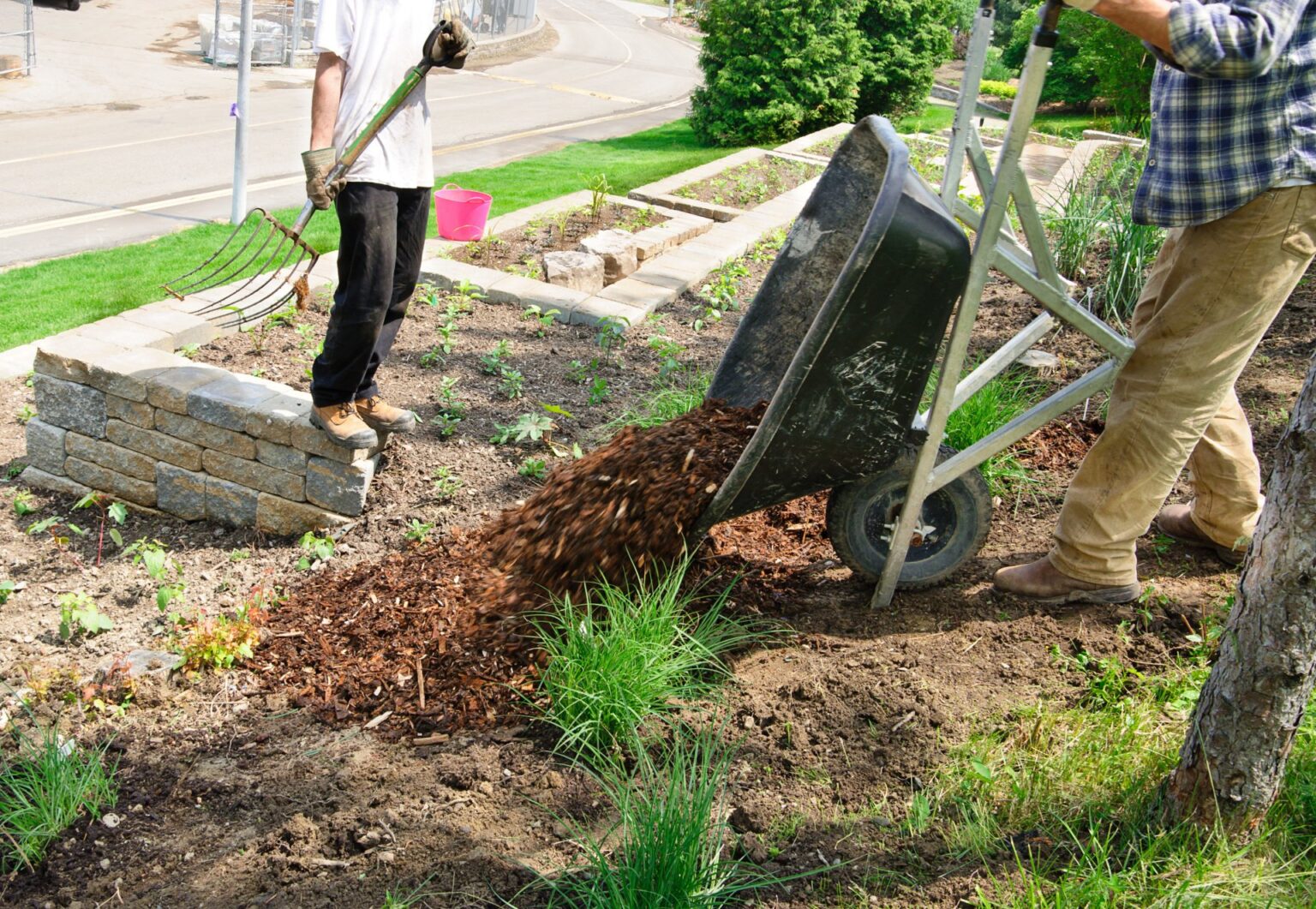
Mulch is one of the most underused tools in residential tree care. Applied correctly, it retains moisture, regulates soil temperature, and reduces competition from grass and weeds. Applied incorrectly, it actively harms your trees.
Inspect your area
Before you start, identify your soil type. Clay soil retains moisture well, so you won’t need as much mulch. Sandy soil drains quickly and benefits from a thicker layer to compensate. Getting this right from the start prevents overwatering or moisture stress.
Which Type of Mulch to Use
Organic mulches — made from a blend of wood chips, compost, sawdust, and composted leaves — are your best option. They break down over time and feed the soil.
One important note: if you’re using fresh wood chips, apply them only around established, mature trees and shrubs. Avoid using fresh chips around newly planted or young trees, as the decomposition process can temporarily compete with root development.
How Much to Apply
Aim for approximately 3 inches of mulch spread evenly around the base of the tree. After laying it down, use a rake to extend the mulch out to match the width of the tree’s crown. Do not pile it on — excessive mulch traps too much moisture and can cause the roots, bark, and cambium layer to rot over time.
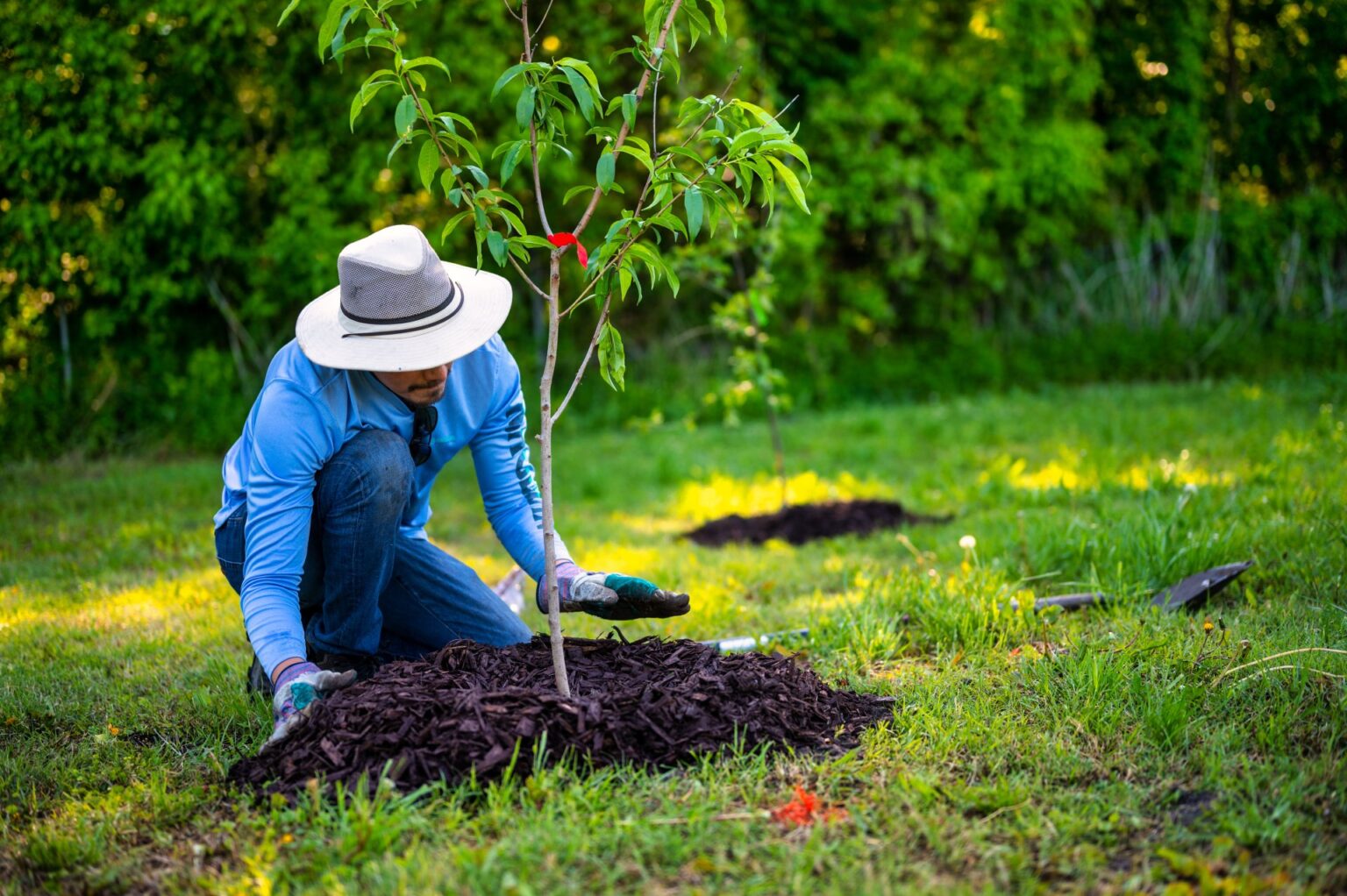
Where to Stop (This Is Critical)
The single most common mulching mistake is piling mulch directly against the trunk — sometimes several inches up it. This is called “volcano mulching,” and it promotes insect infestation, disease, and bark decay. Always leave the trunk and root crown fully exposed. The tree needs airflow and drainage at its base to stay healthy.
Maintaining Your Mulch
Once properly applied, your mulch bed should be largely self-managing. After major storms or as seasons change, check for natural shifting or erosion. Top up thin spots as needed, and always pull the mulch back if it has crept up against the trunk.
Call Saskatoon Tree Removal today for any questions!
Tree Trimming: Keeping Your Trees Safe and Shaped
Knowing when and how much to cut is essential to long-term tree health. Removing too much at once weakens the tree; cutting at the wrong time of year exposes it to disease and frost damage. For large-scale work or trees close to power lines and structures, professional tree trimming in Saskatoon ensures the job is done safely and to arborist standards.
What Is Tree Topping — and Why Do Experts Avoid It?
Tree topping involves cutting the main trunk or large upper branches back to stubs. While it might seem like a quick fix to reduce height or manage a large tree, it causes serious long-term damage. Topping removes a significant portion of the tree’s leaf-bearing crown, starving it of the energy it needs to recover. The resulting regrowth tends to be weak, fast-growing, and more hazardous than the original tree.
If your tree has outgrown its space or poses a risk, there are better options — including crown reduction pruning, which preserves structure while managing size safely.
Whether you’re dealing with a tree that’s showing worrying signs, want to schedule seasonal maintenance, or simply need expert guidance, our team is ready to help. Call Saskatoon Tree Services today or reach out online for a free consultation.