Should You Cut Off Dead Branches From a Tree?
Trees are an essential part of any landscape, offering beauty, shade, and environmental benefits. However, like any living organism, they require proper care and maintenance to thrive. A common concern for many property owners is whether to remove dead branches from their trees, or simply allow them to fall naturally. This task is not just about maintaining the tree’s aesthetics; it’s crucial for safety and the tree’s health.
Understanding the Risks of Dead Branches
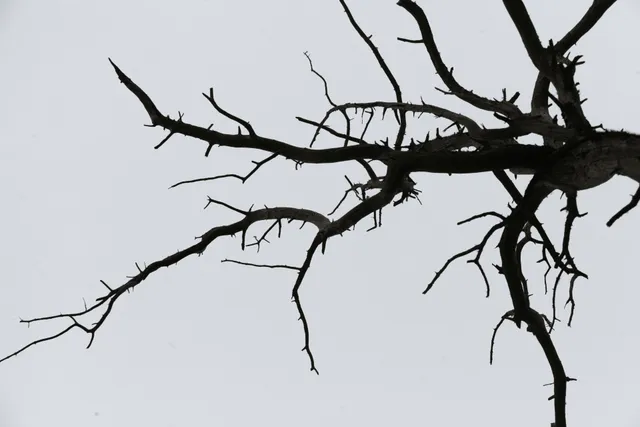
Dead branches pose several risks. From a safety perspective, they can fall unexpectedly, causing injury or property damage. For the tree itself, these lifeless limbs can be gateways for pests or diseases, potentially leading to further health issues. Dead branches are also one of several signs a tree might be in decline, so if you’re noticing them alongside other changes in the tree, it’s worth a closer look. Additionally, from an aesthetic viewpoint, dead branches can significantly detract from a tree’s appearance, affecting the overall look of your property.
Benefits of Removing Dead Branches
1. Promoting Tree Health: Removing dead branches encourages better airflow through the tree’s canopy and allows more sunlight to reach the remaining healthy branches, fostering a stronger, healthier tree.
2. Enhancing Tree Structure: Pruning dead limbs can help improve the tree’s structure and stability, reducing the risk of future damage during storms or high winds.
3. Preventing Pest Infestations and Diseases: Dead wood can attract pests and is often the first part to decay, which can spread diseases to the rest of the tree.
When to Remove Dead Branches
Identifying dead branches is crucial. Look for lack of leaves, brittle bark, or a grayish color. The best time to prune depends on the tree species and local climate. In Saskatoon, it’s often ideal to prune in late winter or early spring when trees are dormant. For ongoing branch maintenance, our professional trimming service keeps your trees healthy and safe through every Saskatchewan season, and for trees needing more targeted health-focused work, our seasonal pruning service addresses structural and disease-related branch issues specifically.
DIY vs. Professional Help: Should You Take This Job On Yourself
Deciding whether to tackle tree pruning as a DIY project or call in professionals like Tree Removal Saskatoon depends on several factors, including the size of the tree, the location of the branches, and your own experience and equipment. While minor pruning can often be handled by property owners, it’s crucial to recognize when a job requires professional expertise.
Risks of DIY Tree Pruning:
Personal Injury: One of the most significant risks of DIY tree pruning is the potential for personal injury. Using ladders, handling power tools at heights, or attempting to cut branches without proper support can lead to falls or serious injuries.
Property Damage: Incorrect pruning techniques can result in branches falling unpredictably, potentially damaging your property, your neighbor’s property, or nearby power lines. This risk grows significantly after a storm, when storm-weakened branches are more likely to fail without warning — situations our emergency response team is equipped to handle safely.
Some Common DIY Mistakes We See In Saskatoon:
- Topping the Tree: This is when the top portion of the tree is cut off, which can severely damage or even kill the tree. It’s a common mistake made by those who are trying to reduce the size of a tree for safety reasons.
- Flush Cutting: This involves cutting branches too close to the trunk, removing the branch collar. This can prevent the tree from properly healing and make it vulnerable to infections.
- Leaving Too Much Stump: Conversely, leaving too long of a stump when cutting a branch can hinder the tree’s natural healing process and lead to decay.
- Improper Use of Equipment: Using dull saws or the wrong type of saw can cause ragged cuts that damage the tree and pose a safety risk to the person doing the cutting.
When to Call Tree Removal Saskatoon:
- Large or High Branches: If the branches are large, high up, or require climbing, it’s safest to call professionals who have the necessary equipment and training.
- Proximity to Power Lines: Trees near power lines require extreme caution and often need to be handled by professionals.
- Tree Species-Specific Pruning Requirements: Some trees have specific pruning needs based on their species. Professional arborists have the knowledge to prune these trees correctly.
- Health Assessment: If the tree shows signs of disease or pests, professional assessment and treatment are crucial.
While DIY tree pruning can be appropriate for small tasks, understanding the risks and recognizing the limitations of your experience and equipment is crucial. For larger, more complex, or riskier tasks, it’s wise to rely on the expertise of Tree Removal Saskatoon. Our team ensures safe, effective, and appropriate care for your trees, protecting both you and your property.
Ensuring Long-Term Tree Health and Safety
Regular inspections and routine pruning support long-term tree health, safety, and curb appeal. This maintenance goes beyond removing dead branches. It also includes monitoring for stress and disease signs. In Saskatoon’s climate, specialized care matters even more. Minor pruning can be a DIY project for many homeowners. Larger, complex, or risky pruning needs professional expertise for safe results.
At Tree Removal Saskatoon, we protect your trees and your safety. If you’re unsure how to prune, contact our team. We also help with full tree maintenance in Saskatoon. Tree Removal Saskatoon provides high-quality, professional tree care services. We keep your trees healthy, vibrant, and safe for years.
If a storm or a neighbouring property has already caused damage, we’ve also covered what to do if a neighbour’s tree falls on your house.