Trees, like all living organisms, can fall prey to diseases and pests. Often, the signs are subtle and overlooked until it’s too late. However, early detection can make a significant difference in the tree’s prognosis. As guardians of these silent giants, understanding the signs of an ailing tree is crucial. Here’s a primer on when you should consider calling professionals like Tree Removal Saskatoon for an expert assessment.
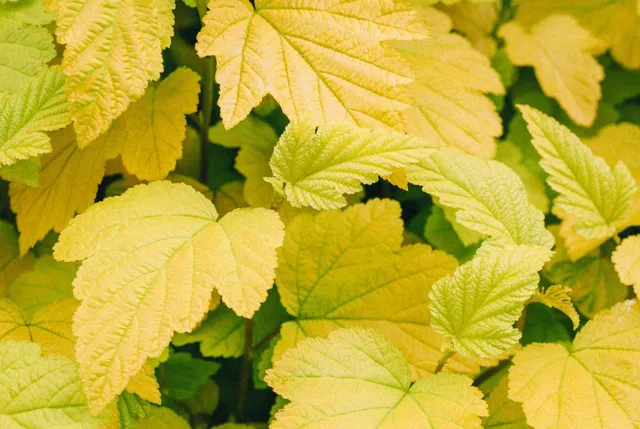
While it’s natural for trees to shed leaves in the fall, an untimely or excessive drop can be alarming. Similarly, if you notice the leaves turning yellow or brown during the growing season or the appearance of dark, blotchy areas, it might indicate a problem. Diseases like leaf rust or fungal infections can be the culprits. Caught early, many of these issues are treatable, and our restoration team can often save a tree that still has a fighting chance.
Mushrooms or other fungi growing at the tree’s base, especially around its roots, can be a telltale sign of root rot or decay. Trees with compromised root systems are not only unhealthy but can also pose a falling risk. In severe cases where the root system is beyond recovery, safe tree removal may be the only option to protect your property.
Your tree’s bark is like its skin. Peeling bark, cracks, or spots might be symptomatic of underlying issues. Also, be on the lookout for ‘cankers’ – sunken, dead areas on the bark, often caused by fungal infections.
When the tree’s outer branches (those at the crown) start dying, it’s often referred to as dieback. It’s a clear indication that the tree is under stress, whether from diseases, pests, or environmental conditions. If you’re dealing with dieback, you may be wondering whether cutting off dead branches yourself is safe or if it’s time to call a professional.
Often referred to as ‘gummosis,’ the leaking of sap from the tree, especially if it’s accompanied by a foul odor, could suggest bacterial infections or pest invasions.
If you notice the tree leaning to one side suddenly or observe rapid growth in a specific direction, it’s a sign the tree is trying to balance or compensate for an underlying issue. A dangerously leaning tree should be assessed immediately — our arborists can determine whether it can be saved or needs to come down.
Insects like the emerald ash borer, bark beetles, or tent caterpillars can wreak havoc on a tree’s health. If you notice holes in the tree bark, sawdust at the base, or actual pests, it’s time to act. Many homeowners misread these signs or dismiss them based on common tree care myths that can delay treatment and cost them the tree entirely.
The aforementioned signs are just a few of the many that indicate a tree’s declining health. It’s always advisable to consult with a professional if you suspect something’s amiss. Trees have a remarkable ability to recover when given timely and appropriate care.
In Saskatoon and its neighboring regions, there’s one name synonymous with top-notch tree care — Tree Removal Saskatoon. Our team of experts is adept at diagnosing and treating a myriad of tree-related issues.
Notice something off with your tree? Don’t wait; every moment counts. Get in touch with Tree Removal Saskatoon today. A healthy tree does more than look good on your property — the environmental benefits of trees extend to cleaner air, cooler summers, and stronger property values across Saskatoon.