Common Tree Myths For Homeowners In Saskatoon

In tree care, myths and misconceptions are common. They can send well-meaning Saskatoon homeowners down the wrong path. It’s important to separate fact from fiction. That helps protect your trees and extend their lifespan. This post debunks common tree myths. It also highlights best practices for Saskatoon’s climate and conditions.

Myth vs. Reality in Tree Care

Tree care is often shrouded in myths that can lead to harmful practices. Understanding the reality behind these myths is crucial for maintaining the health of your trees and, by extension, the natural beauty of your property.

Debunking Common Tree Myths

  • Myth 1: Trees Can Survive on Their Own Without Any Help
  • Reality: Urban trees in Saskatoon, like the American Elm or Green Ash, often face challenges like limited soil space, pollution, and competition for water and nutrients, unlike their forest counterparts. They require additional care such as proper watering, especially during dry spells, and regular mulching to provide nutrients and maintain soil moisture.
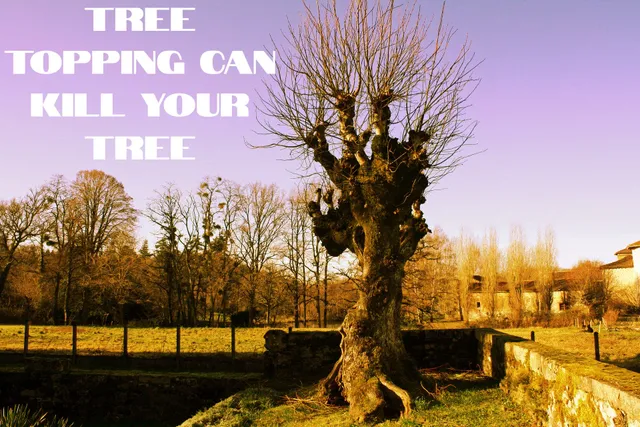
  • Myth 2: Topping Trees is a Safe Way to Control Their Size
  • Reality: Topping, which involves cutting the main branches back to stubs, is extremely harmful. It leaves trees like the Showy Mountain Ash or Siberian Elm vulnerable to disease and weak regrowth. Instead, homeowners should practice selective pruning – removing just a few branches to shape the tree and reduce its size without causing harm. In cases where a tree has been severely topped and is beyond recovery, having the tree removed safely is often the only solution.

The Best Time to Prune Trees is in the Spring: Myth 3

  • Reality: The optimal pruning time varies. For instance, deciduous trees like the Manitoba Maple are best pruned in late winter when they are dormant, as it minimizes sap loss and disease transmission. On the other hand, flowering trees like the Mayday Tree should be pruned right after their blooming period ends to not disrupt their flowering cycle.
  • Myth 4: A Tree with Brown Leaves is Always a Dead Tree
  • Reality: Reality: Browning leaves can be a sign of stress due to factors like drought, overwatering, or disease. For example, a Colorado Blue Spruce showing brown needles might be suffering from a fungal infection rather than being dead. Proper diagnosis and treatment, such as adjusting watering practices or applying fungicides, are necessary for recovery. Brown leaves are just one of several warning signs your tree might be sick worth watching for throughout the year.
  • Myth 5: Planting Trees Deep Will Make Them More Stable
  • Reality: Deep planting can suffocate the roots of trees like the Paper Birch or Bur Oak. These trees need their root flares (where the roots spread at the base of the trunk) exposed to air and light. Instead of planting deep, trees should be planted so that the root flare is just above ground level, ensuring proper root growth and overall health.

Region-Specific Tree Myths in Saskatoon

Living in Saskatoon, homeowners encounter specific tree care challenges due to the local climate. Two common myths particularly stand out during the winter months.

  • Myth: Trees Don’t Need Water in Winter
  • Reality: It’s a common misconception that trees, especially mature ones, don’t need any water during the winter. While it’s true that their water requirements decrease, they are not eliminated. During mild periods when the ground isn’t frozen, providing water to trees like the Trembling Aspen or White Birch can be beneficial. This is especially true for evergreens which lose moisture through their needles. Winter watering prevents desiccation and supports overall tree health. The key is to water only when temperatures are above freezing and early enough in the day for the water to soak in before potentially freezing at night.

Misconceptions About Snow and Ice Damage

  • Improper Care Techniques: One major mistake is forcefully removing ice or heavy snow from branches. This can cause branches to break or damage the tree’s protective bark. Another erroneous practice is using de-icing salts near trees, which can be absorbed and cause significant damage to the root system.
  • Proper Approach: When dealing with snow, gently brush off the accumulation using an upward motion to relieve the weight on the branches, but only if it can be done safely without climbing. As for ice, it’s often best to allow it to melt naturally. If de-icing is necessary on nearby walkways or driveways, use tree-friendly alternatives to sodium chloride-based salts, like calcium chloride or sand, to minimize root damage. For reliable snow and ice removal around your property without damaging your trees or landscaping, our Saskatoon snow removal team uses safe, professional methods. For species like the Colorado Spruce or Paper Birch, which may be more susceptible to snow and ice damage, consider providing additional support to young trees or loosely wrapping them in burlap to protect against heavy snowfall.

Understanding these region-specific tree care aspects is crucial for homeowners in Saskatoon. Properly addressing winter-specific needs can significantly enhance the health and longevity of your trees.

Expert Advice for Thriving Trees

Navigating tree care can feel overwhelming, especially when common myths spread confusion. Professional guidance can make all the difference.

At Tree Removal Saskatoon, we do more than debunk myths. We provide personalized care for each tree’s unique needs. That approach protects tree health and improves your landscape.

Dispelling these myths isn’t only about maintenance. It also supports Saskatoon’s urban forest. Proper tree care is an ongoing process. It helps sustain a healthy, vibrant community environment.

If you need expert advice or have concerns about your trees, reach out to Tree Removal Saskatoon. For a full overview of our tree cutting services Saskatoon homeowners trust, visit our main services page. Our team will answer your questions and recommend the right services. We’ll help your trees stay strong and thriving.
“Not sure if those dead branches need a professional touch? We’ve broken down exactly when it’s safe to cut dead branches yourself versus when to call us instead.”